
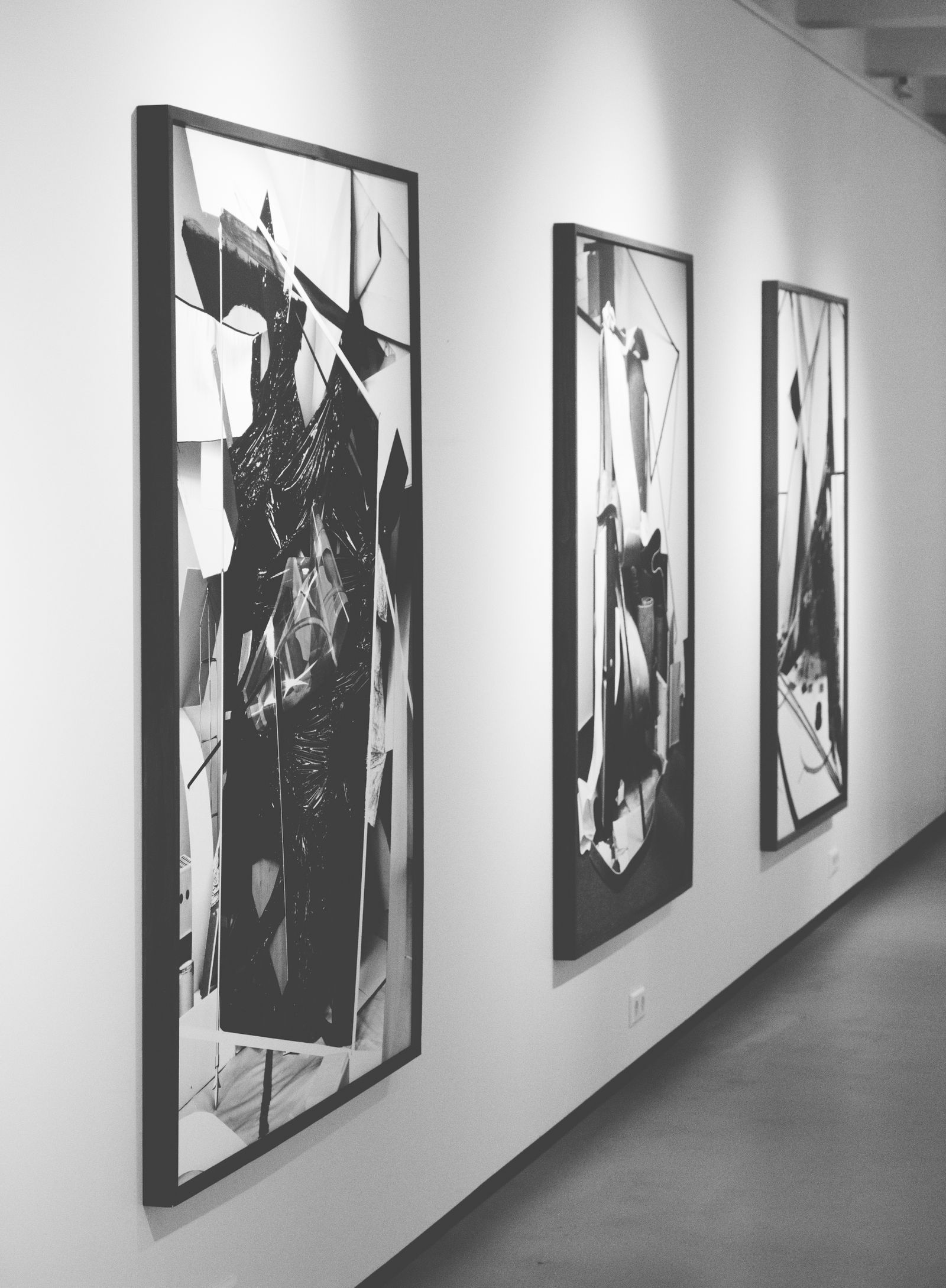
A thoughtfully curated art collection is one of the most personal and rewarding expressions of taste. It transforms a luxury home from a showpiece into a living gallery, tells the story of its owner's passions, and — when approached with knowledge — can appreciate significantly in value over time.
Where to Begin
Define Your Vision
The most compelling collections have a point of view. Are you drawn to contemporary minimalism, classical portraiture, Florida landscape painting, or abstract expressionism? A collection doesn't need to be uniform, but a guiding aesthetic gives it coherence. Visit museums, galleries, and art fairs to discover what moves you before you buy anything.
Set a Budget Strategy
Art exists at every price point. Emerging artists' works can start in the low thousands, while mid-career artists command tens of thousands and blue-chip names reach millions. A smart strategy for new collectors is the "thirds" approach: allocate one-third of your budget to affordable works from emerging talents, one-third to mid-career artists with growing institutional recognition, and one-third to more established names with proven market demand.
Working with Advisors
An art advisor can be invaluable, particularly for significant purchases. They bring market expertise, access to private sales, and the ability to negotiate on your behalf. Reputable advisors earn commissions from the buyer, ensuring their interests align with yours. For collections above $500,000, professional advisory relationships often pay for themselves through better acquisition prices alone.
The Acquisition Process
Galleries & Primary Market
Purchasing directly from galleries supports living artists and often provides the best prices for new work. Building relationships with gallery directors gives you early access to new releases, studio visits, and waitlists for high-demand artists. Loyalty matters in the gallery world — consistent collectors receive preferential treatment and first refusal on important works.
Auction Houses & Secondary Market
Sotheby's, Christie's, and Phillips handle both major evening sales and more accessible day sales. The secondary market offers access to historic works and deceased artists but requires careful evaluation of condition, provenance, and market trends. Always factor in buyer's premiums (typically 20-26% on top of the hammer price) when budgeting for auction purchases.
Art Fairs
Fairs like Art Basel, Frieze, and The Armory Show concentrate hundreds of galleries under one roof, making them efficient venues for discovery and acquisition. The energy can be overwhelming — develop a shortlist before you arrive, and don't feel pressured to buy on the spot. Many galleries will hold works for 24-48 hours for serious buyers.
Caring for Your Collection
Climate Control & Display
Florida's humidity presents unique challenges for art preservation. Maintain indoor humidity between 45-55% and temperature between 68-72°F. Avoid direct sunlight on any work — UV filtering glass and museum-quality framing are essential. LED lighting with adjustable color temperature allows you to illuminate works without heat or UV damage.
Insurance & Documentation
Standard homeowners' insurance typically provides inadequate coverage for fine art. Specialized art insurance (from providers like AXA XL or Berkley One) covers accidental damage, theft, and transit. Maintain detailed records — photographs, certificates of authenticity, purchase receipts, and condition reports — for every piece in your collection.
Building an art collection is a lifelong journey that rewards curiosity, patience, and passion. The works you choose become part of your home's identity and your family's legacy — a visual autobiography told through the artists and movements that speak to you most deeply.
The Virtu
Experience The Atlas
Go beyond the article — explore our curated heritage & culture collection inside The Virtu.
Explore in The Virtu