
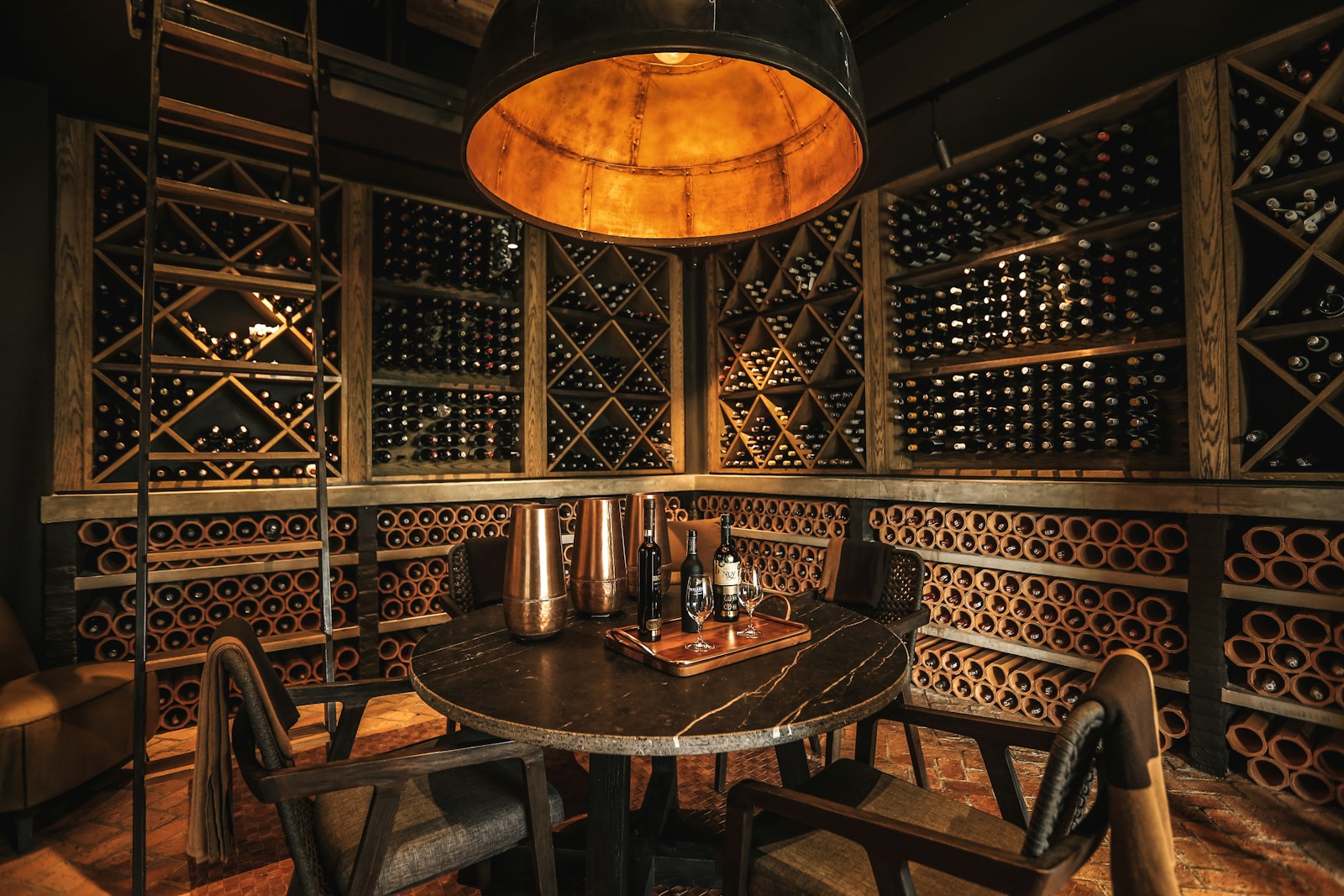
There is a particular kind of pleasure that arrives with a well-chosen bottle — the slow exhale as the cork releases, the way the color catches the light, the first sip that confirms you've made exactly the right decision. Wine, at its most honest, is not about status or spectacle. It is about paying attention: to the land it came from, the hands that shaped it, and the moment you've chosen to open it. This season, we've been tasting with that spirit in mind — and what follows is an entirely personal, unreservedly enthusiastic dispatch from our editor's table.
Start With Intention: Why the Bottle You Choose Matters
Great wine begins before the glass is filled. It begins with curiosity — a willingness to move beyond the familiar label and ask what else might be out there. The wine world has never been more exciting or more accessible, with small-production importers, boutique négociants, and direct-to-consumer wineries opening windows into regions and grapes that were once known only to devoted insiders. Whether you're building a cellar in earnest or simply stocking a weekend house for effortless entertaining, the same principle applies: choose with a little intention, and the experience will always reward you.
The Whites Worth Lingering Over
This season has reminded us why Burgundy's Mâconnais deserves far more attention than it typically receives. Producers like Domaine de la Bongran and Château Fuissé are crafting Chardonnays of extraordinary mineral clarity — wines with none of the heavy oak that once defined the category, and all of the elegance that makes white Burgundy so beloved. Look for a Pouilly-Fuissé or a Viré-Clessé if you want to understand what terroir-driven Chardonnay truly means.
For something a touch more adventurous, turn your attention to Godello from Galicia in northwestern Spain. The Valdeorras appellation in particular is producing bottles of remarkable tension and depth — think white peach, wet stone, and a long saline finish that practically demands a plate of pristine seafood alongside it. Producers like Rafael Palacios are leading the charge, and bottles remain beautifully priced relative to their quality.
- Domaine de la Bongran, Viré-Clessé: Honeyed, mineral, and utterly composed. A benchmark for serious Chardonnay lovers.
- Rafael Palacios 'As Sortes' Godello: Galician brilliance — electric acidity, stony depth, and a finish that lingers effortlessly.
- Trimbach Riesling Réserve, Alsace: The house style is classic and unwavering: bone dry, citrus-forward, and built to age gracefully.
The Reds for Evenings That Deserve to Last
If there is one red wine moment defining this particular season, it is the quiet renaissance of Nebbiolo — not just in Barolo and Barbaresco, where it has always reigned, but in the lesser-known Langhe and Roero appellations where younger producers are crafting wines of beautiful accessibility without sacrificing the grape's signature structural soul. These are wines built for the table: roasted lamb, aged cheeses, the kind of slow Sunday lunch that stretches comfortably into evening.
Further afield, the Loire Valley continues to produce some of France's most intellectually satisfying reds. Cabernet Franc from Chinon or Bourgueil — particularly from a producer like Charles Joguet or Domaine de la Chevalerie — offers a profile that is savory, earthy, and gloriously food-friendly. These are wines that make you think while you drink, which is precisely what the best bottles do.
And for those evenings when something richer is called for — a special occasion, a long overdue celebration, a house finally closed on — reach for a northern Rhône Syrah. Crozes-Hermitage from Domaine du Colombier or a village-level Saint-Joseph offer the pepper, olive tapenade, and dark fruit of the appellation without the years of waiting that a Hermitage demands.
- Roagna 'Langhe Nebbiolo': An extraordinary entry point into the Roagna style — perfumed, structured, deeply honest.
- Charles Joguet 'Clos du Chêne Vert' Chinon: Earthy, violet-edged, and endlessly pleasurable alongside food.
- Domaine du Colombier, Crozes-Hermitage: Everything the northern Rhône promises — smoke, pepper, dark fruit — at an entirely reasonable price.
The Art of the Cellar (Even a Small One)
You do not need a dedicated wine room or an elaborate temperature-controlled system to begin thinking like a collector. Even a modest wine refrigerator, thoughtfully curated, can hold bottles that will bring genuine joy over the coming years. The principle is simple: buy a case of something you love drinking now, open half over the next year, and let the other half rest. You will be astonished at what time does — how rough edges soften, how aromas evolve, how a wine that was pleasant becomes something genuinely moving.
The ritual of the cellar, small or grand, is ultimately about optimism. It is about trusting that the future holds beautiful evenings worth preparing for — dinners with people who matter, milestones that deserve to be marked with something memorable, quiet nights that become quietly extraordinary.
A Note on Glassware
The final word belongs to the vessel. Riedel, Zalto, and Gabriel-Glas all produce stems that transform a good wine into a great experience. If you invest in one thing this season beyond the bottles themselves, let it be a set of glasses that respects the liquid inside them. The shape of a rim, the weight of a stem in hand — these details are not indulgences. They are the difference between drinking wine and truly tasting it.
Wine, at its finest, is a living record of place and time — a Burgundian hillside in a particular summer, a winemaker's decades of instinct poured into a single vintage. To open a great bottle is to enter into a conversation with all of that. This season, we hope you pour with a little more curiosity, linger a little longer over the glass, and find in each bottle a small invitation to live — as we always advocate at House of I — beautifully, intentionally, and with great taste.
The Virtu
Experience The Reserve
Go beyond the article — explore our curated fine wine collection inside The Virtu.
Explore in The Virtu