
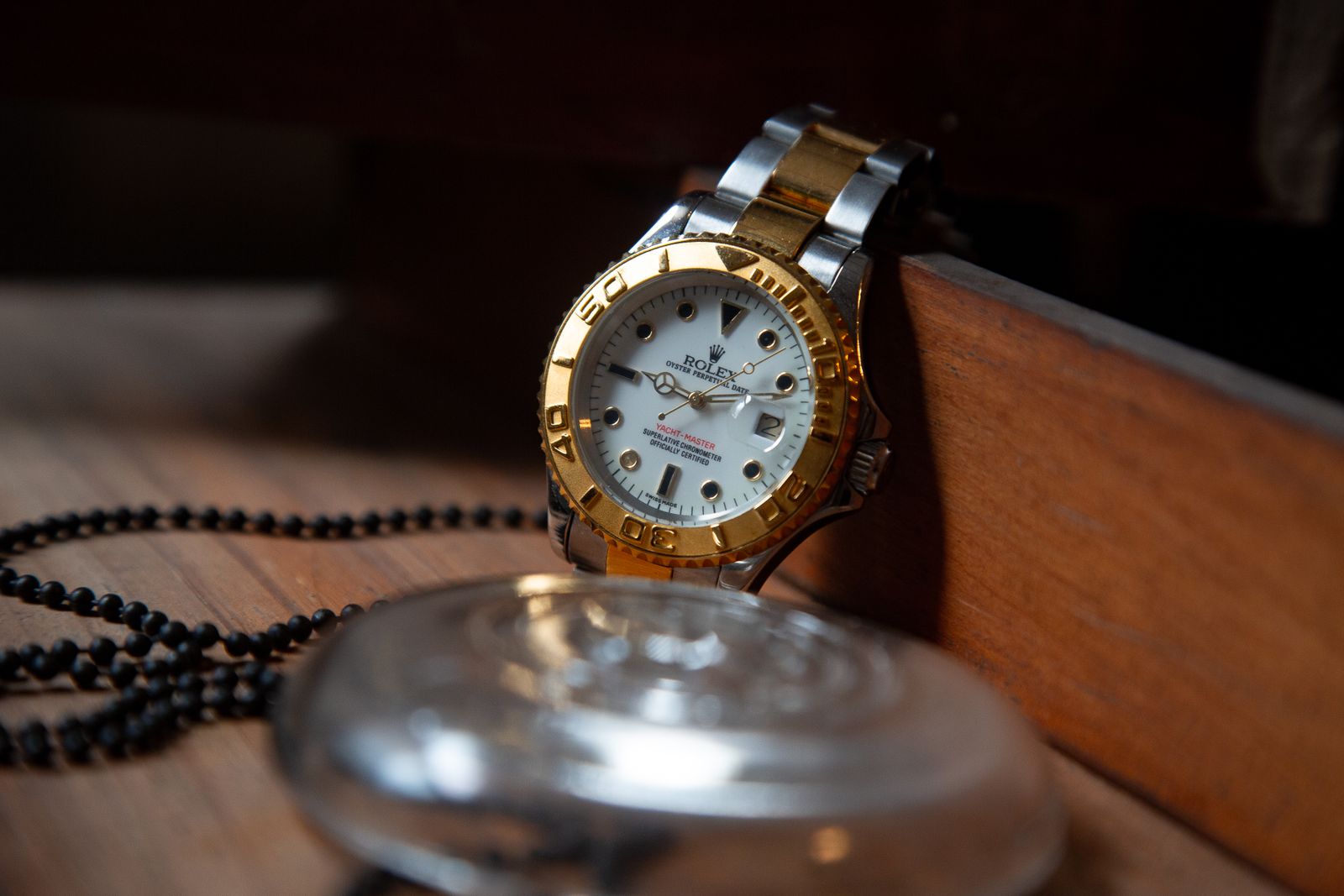
A watch collection, at its best, is a deeply personal narrative told through mechanical art. Each piece marks a milestone, reflects a passion, or captures a moment in horological history. Building a collection worth having requires equal parts knowledge, patience, and willingness to follow your own instincts.
Defining Your Collection
The Three-Watch Collection
Most collectors start with the concept of a versatile three-watch rotation: a dress watch for formal occasions (Cartier Tank, Jaeger-LeCoultre Reverso, or Patek Philippe Calatrava), a daily sports watch (Rolex Submariner, Omega Speedmaster, or Tudor Black Bay), and a statement or complication piece that expresses personal taste (an annual calendar, a chronograph, or an independent watchmaker's creation). This foundation covers any occasion while keeping the collection focused.
Theme vs. Variety
Some collectors focus on a single brand, building deep expertise in Rolex, Omega, or Patek Philippe references. Others collect around a complication (perpetual calendars, minute repeaters, or chronographs from different makers). Still others pursue a narrative — military watches, space exploration timepieces, or pieces with documented celebrity provenance. The best collections have a thread that connects them, even if that thread is simply "watches that fascinate me."
The Market Landscape
Independent Watchmakers
The most exciting frontier in modern collecting is the independent watchmaker segment. Names like F.P. Journe, MB&F, H. Moser & Cie, and A. Lange & Söhne produce timepieces in tiny quantities with extraordinary finishing and innovative complications. These watches often appreciate sharply as collectors recognize their rarity and craftsmanship. A well-chosen independent piece can anchor a collection with genuine distinction.
Vintage vs. Modern
Vintage watches offer irreplaceable character — tropical dials that have developed unique patinas over decades, radium lume that has turned creamy yellow, and case proportions that feel different on the wrist than anything produced today. But vintage collecting demands expertise in authentication, condition assessment, and service costs. Modern watches offer reliability, warranty coverage, and known provenance. A collection that blends both old and new creates a richer dialogue between eras.
Practical Considerations
Storage & Maintenance
A quality watch winder keeps automatic watches running when not on the wrist, and a proper watch box or safe protects your investment. Service intervals vary by brand — typically every five to eight years for modern calibers — and should be performed exclusively by authorized service centers or qualified independent watchmakers. Keep all boxes, papers, receipts, and service records; these significantly impact resale value.
Insurance & Appraisal
As a collection grows in value, specialized insurance becomes essential. Standard homeowners' policies often cap jewelry coverage at amounts well below a single significant watch's value. Obtain annual appraisals from certified gemologists or watch specialists, and photograph each piece from multiple angles. Store documentation separately from the watches themselves.
The greatest watch collections are not the most expensive — they're the most intentional. Buy what speaks to you, learn the history behind each acquisition, and wear your watches with joy. The mechanical heartbeat on your wrist connects you to centuries of human ingenuity and craftsmanship, one tick at a time.
The Virtu
Experience The Chronos
Go beyond the article — explore our curated timepieces collection inside The Virtu.
Explore in The Virtu