
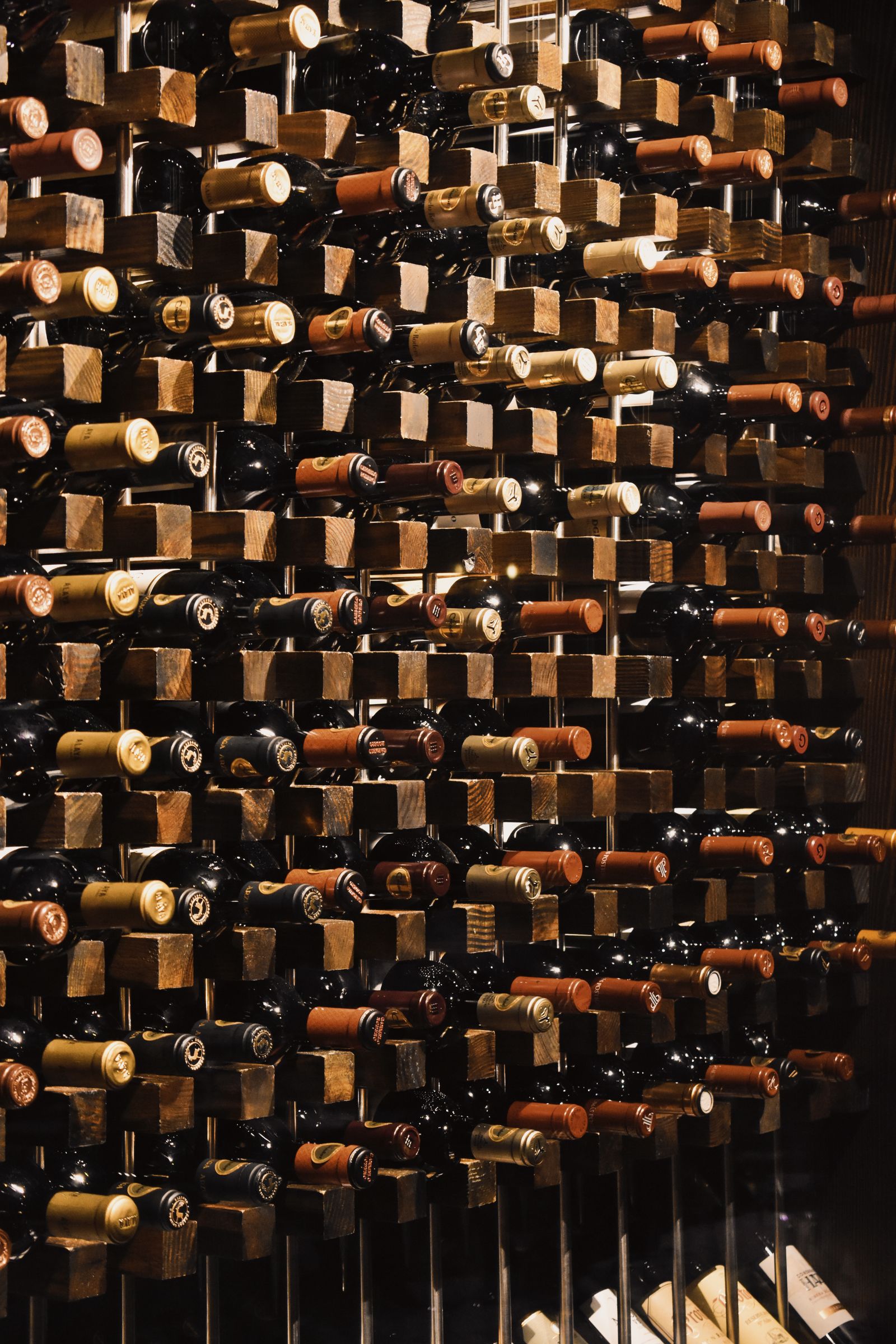
There is a particular kind of magic that happens when a wine is perfectly matched to a dish — when the acidity in a crisp Chablis lifts the brine of freshly shucked oysters, or a velvety Barolo softens against the richness of a slow-braised short rib. It is not alchemy, exactly. It is something more learnable, more human: the art of attention. And for those who believe that how we gather matters as much as where we gather, mastering the fundamentals of food and wine pairing is one of the most generous gifts you can offer your guests.
Start With the Sauce, Not the Protein
One of the most enduring misconceptions about pairing is that you match wine to the main ingredient — white with fish, red with meat — and call it done. The reality is far more nuanced and, once understood, far more liberating. The true pairing partner is the preparation: the sauce, the cooking method, the dominant flavor profile on the plate. A delicate sole meunière sings alongside a white Burgundy, but dress that same fish in a rich tomato-and-caper sauce and suddenly a light, high-acid red like a Sicilian Nerello Mascalese becomes the more elegant choice. Follow the flavors, not the rules.
The Four Pillars of a Successful Pairing
Whether you are planning a celebratory tasting menu for twelve or a languid Sunday lunch for four, grounding your selections in these four principles will rarely steer you wrong:
- Acidity mirrors acidity. High-acid wines — Sauvignon Blanc, Champagne, Sangiovese — cut through fat and amplify brightness in a dish. Serve them with citrus-forward ceviche, goat cheese, or anything finished with a squeeze of lemon.
- Sweetness softens heat. A touch of residual sugar in an Alsatian Gewürztraminer or an off-dry Riesling is your secret weapon against spice. Thai, Vietnamese, and Korean-inspired menus flourish when met with gentle sweetness.
- Tannins need protein and fat. The grip of a young Cabernet Sauvignon or Nebbiolo is softened and made luxurious by red meat, aged cheese, and umami-rich preparations. Without that fat, tannins can taste harsh and overwhelming.
- Weight should echo weight. A robust, full-bodied wine will obliterate a delicate dish; a lean, ethereal wine will be swallowed whole by a hearty braise. Match the body of your wine to the weight of your food, and balance becomes almost effortless.
Champagne: The Great Equalizer
If there is one bottle to open without hesitation at any milestone — a new home, a new chapter, a milestone birthday — it is Champagne. Not because it is traditional, but because it is genuinely, brilliantly versatile. The combination of fine bubbles, high acidity, and yeasty depth makes it a companion to an extraordinary range of foods: fried chicken and lobster with equal ease, oysters and aged Comté, smoked salmon blinis and truffle-laced scrambled eggs. Keep a few well-chosen bottles in your cellar and you will never be caught without the right wine for the moment. Look beyond the grandes maisons to the grower-producers — Champagnes made by the same families who tend the vines — for bottles that offer singular character and remarkable value.
Designing a Pairing Menu for a Special Occasion
When the celebration is significant enough to warrant a thoughtfully curated progression of wines, consider the arc of the meal as a whole. Begin lighter and build toward depth and richness. A meal that opens with a sparkling Franciacorta alongside antipasti, moves through a mineral-driven white Burgundy with a seafood course, arrives at a structured Tuscan red with the main, and concludes with a honeyed Sauternes alongside a cheese course — that is not just dinner. That is an experience. A narrative told in bottles.
A few practical notes for the host:
- Pour smaller quantities when offering multiple wines — two to three ounces per course keeps palates fresh and guests fully present.
- Always have still water on the table. Palate fatigue is real, and hydration is the most underrated tool in the entertainer's arsenal.
- Temperature matters enormously. Whites served too cold lose their aromatics; reds served too warm taste alcoholic and flat. Pull whites from the refrigerator fifteen minutes before serving; give reds a brief chill if your dining room runs warm.
- When in doubt, choose wines from the same region as your cuisine. The combinations that evolved together over centuries — Chianti with pasta al ragù, Muscadet with Breton oysters, Rioja with Ibérico — are reliable for a reason.
The Most Important Pairing of All
Technique and knowledge will take you far, but the finest food and wine experiences are ultimately rooted in something less quantifiable: intention. The thought given to each guest's preferences, the care taken with a table beautifully set, the decision to mark an occasion with something considered rather than convenient — these are the elements that elevate a gathering into a memory. Wine, at its best, is a vessel for all of that. It carries the flavor of a place, the labor of a season, the vision of a maker who believed that what ends up in the glass is worth caring about deeply. When you bring that same philosophy to the way you host, the way you live, the spaces you inhabit — everything becomes more vivid, more resonant, more worth savoring.
At House of I, we believe the art of living well is inseparable from the art of celebrating thoughtfully. Whether you are uncorking a great bottle in a home you have long dreamed of, or simply learning to pair with a little more intention, we hope these gatherings — however intimate or grand — feel like the occasions they deserve to be.
The Virtu
Experience The Reserve
Go beyond the article — explore our curated fine wine collection inside The Virtu.
Explore in The Virtu