
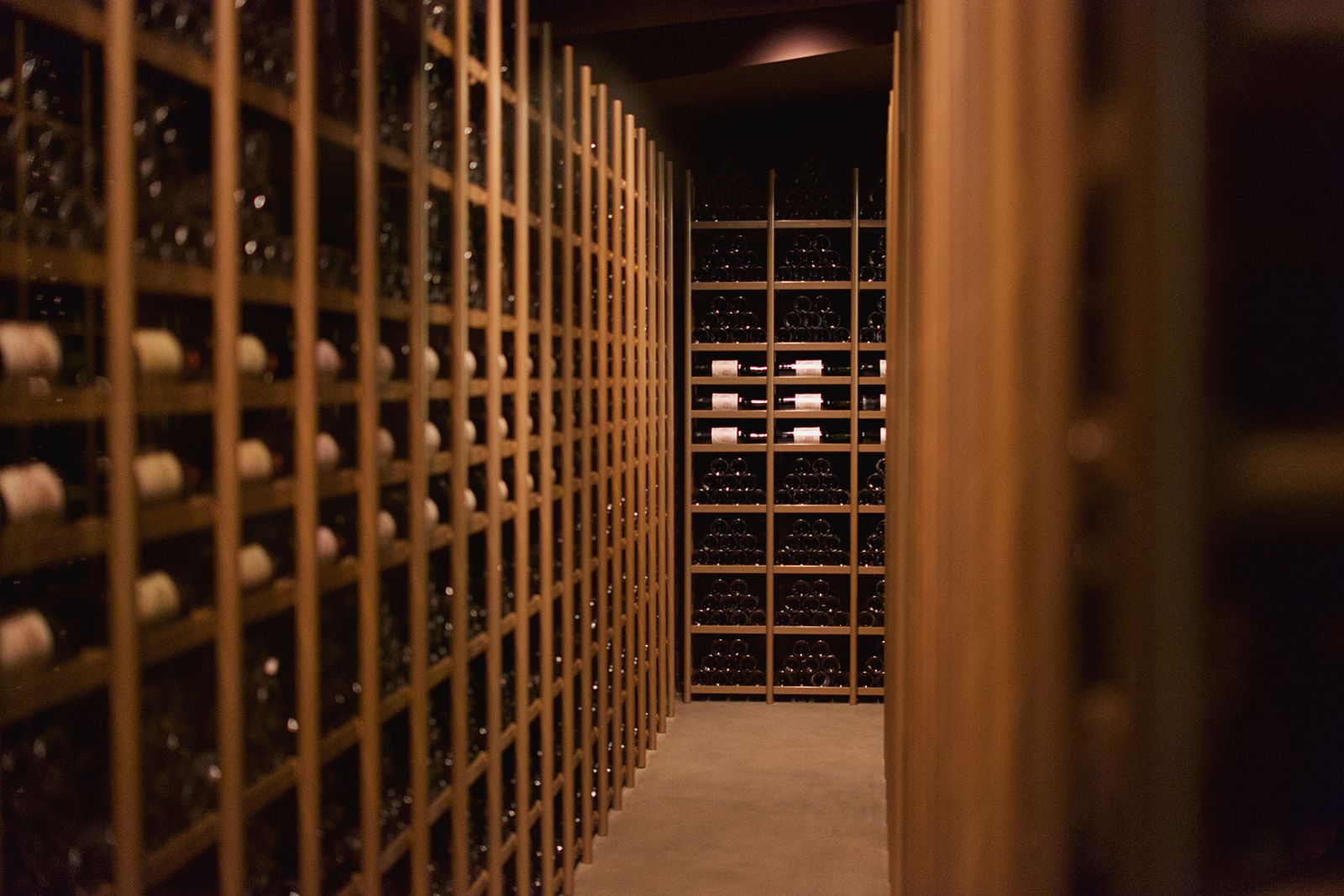
There is something quietly profound about a well-kept wine cellar. It is, in its most elemental form, an act of patience — a wager on the future, a gift to your future self. Whether you are furnishing a grand island estate or curating a dedicated corner of your home, building a fine wine collection is one of the most rewarding and genuinely enjoyable pursuits available to the discerning homeowner. And the wonderful truth is this: you need not be a Master of Wine to begin. You need only curiosity, intention, and a willingness to drink beautifully along the way.
Start With Purpose, Not Prestige
Before you purchase a single bottle, take a moment to consider why you are building a collection. The answer shapes everything. Are you laying down wines for milestone occasions — anniversaries, landmark birthdays, the evening you finally close on that dream property? Are you investing speculatively in labels that appreciate over time? Or do you simply want a thoughtfully stocked home that can rise to any dinner, any guest, any mood?
Most collectors find that the answer is all three, and that is perfectly sound. A living cellar serves the table today while quietly maturing treasures for tomorrow. Define your purpose loosely, hold it lightly, and let the collection evolve as your palate and life do.
Understanding What Ages and What Doesn't
One of the most useful pieces of knowledge any collector can carry is that the vast majority of wines sold globally are made to be enjoyed within one to three years of release. Cellaring is a privilege reserved for a particular class of wine — those with the structure, acidity, tannin, and concentration to transform meaningfully over time.
Wines with genuine aging potential tend to share certain qualities: they are often slightly austere or tightly wound when young, they come from reputable producers who farm with intention, and they are built on varieties with proven track records in the cellar. As a starting framework, consider exploring:
- Bordeaux reds — the benchmark for structured, age-worthy claret; even lesser châteaux from strong vintages reward five to ten years of patience
- Burgundy — Pinot Noir and Chardonnay at their most contemplative; approach with reverence and a generous budget
- Barolo and Barbaresco — Italy's Nebbiolo-driven powerhouses, demanding time but extraordinarily rewarding
- Northern Rhône Syrah — Hermitage and Crozes-Hermitage offer elegant depth that unfolds beautifully over a decade
- Sweet and fortified wines — Sauternes, Vintage Port, and aged Madeira are among the most immortal wines on earth
White Burgundy and great German Riesling also age magnificently and are often overlooked by beginning collectors — both worth exploring early.
The Conditions That Matter Most
Wine is alive, and like anything living, it thrives or suffers based on its environment. The conditions of your cellar are non-negotiable if you intend to age wine with confidence. The essential pillars are consistent temperature, appropriate humidity, darkness, and stillness.
The ideal cellar temperature sits between 50°F and 59°F (10°C–15°C). Fluctuation is the enemy — a wine that swings between cold and warm repeatedly will age unpredictably and often poorly. Humidity should hover between 60 and 75 percent to keep corks supple and intact. Light, particularly ultraviolet, degrades wine over time, which is why bottles are housed in dark glass and why your storage space should be sheltered from direct sunlight. Vibration, too, can disturb the slow chemical evolution occurring inside each bottle.
If a dedicated underground cellar is not available to you, a temperature-controlled wine cabinet is an entirely respectable and practical alternative — and a beautiful addition to any well-appointed home.
Buying Wisely: Merchants, Vintages, and the Value of Provenance
Where and how you buy matters enormously. Establish relationships with reputable wine merchants — the kind who know their producers personally, who can speak to storage conditions, and who will be honest when a wine is not worth the price being asked. Auction houses such as Christie's, Hart Davis Hart, and Sotheby's Wine are excellent sources for mature bottles with documented provenance.
Vintage charts are useful but imperfect guides. Learn the great vintages of the regions you love — 2016 Burgundy, 2015 Bordeaux, 2010 Barolo — but do not be enslaved by them. A talented producer in a modest year will often outperform a mediocre producer in a celebrated one. Buy the producer first; buy the vintage second.
As a practical starting point, consider building in mixed cases: a case of twelve might include six bottles intended for drinking over the next three years and six set aside for a decade or more. This approach keeps your cellar dynamic and your curiosity alive.
Keeping Records and Drinking With Intention
A cellar without records is a collection at risk of confusion. Whether you maintain a simple spreadsheet or use a dedicated app such as Cellar Tracker, log each acquisition: the wine, producer, vintage, quantity, purchase price, merchant, and an intended drinking window. Review it seasonally. Nothing saddens a collector more than discovering a perfectly aged bottle years past its peak, or opening a wine too early out of impatience.
Mark your bottles with occasion in mind. Set aside a case to open on a significant anniversary. Choose a wine to uncork when a child turns thirty. Let the cellar become a quiet archive of your life's most beautiful chapters.
A fine wine collection is never really finished — and that is entirely the point. It grows with you, reflects your travels and tastes, and rewards the patience that modern life rarely teaches us to practice. Begin modestly, buy with intention, store with care, and drink with the people who matter most. That, ultimately, is the only philosophy a cellar truly requires.
The Virtu
Experience The Reserve
Go beyond the article — explore our curated fine wine collection inside The Virtu.
Explore in The Virtu