
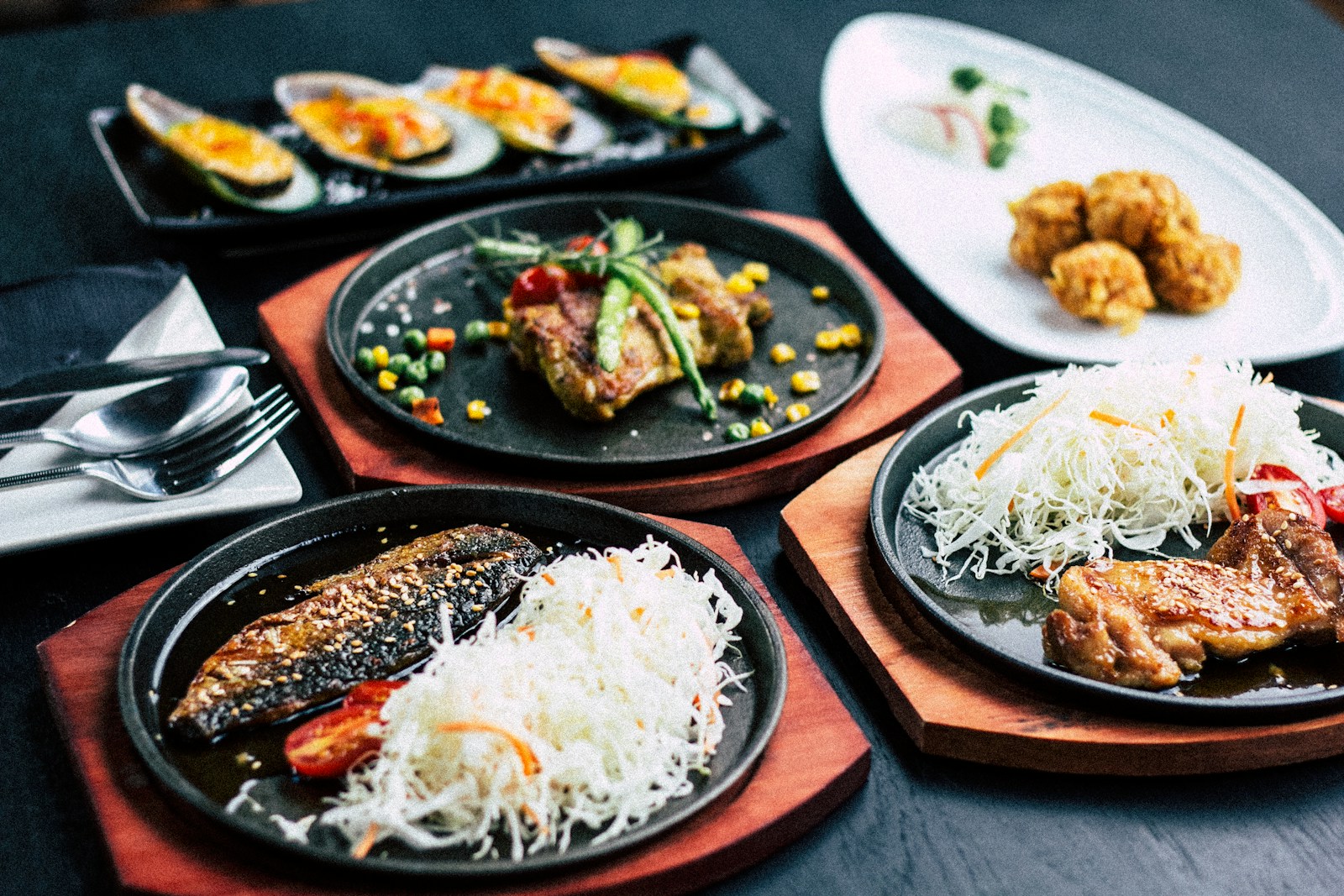
A tasting menu represents the pinnacle of culinary artistry—a carefully orchestrated journey through a chef's vision, technique, and philosophy. Understanding how to appreciate these multi-course experiences transforms a meal into an unforgettable event.
The Philosophy of the Tasting Menu
Also known as a "dégustation" or "chef's menu," a tasting menu is a curated sequence of courses designed to showcase a chef's complete artistic vision. Ranging from intimate five-course journeys to elaborate twenty-course experiences, each dish is portioned to allow guests to experience the full narrative without overwhelming the senses.
The finest tasting menus tell stories—of a chef's heritage, a region's bounty, or a moment in culinary evolution. To dine at such a table is to participate in something larger than a meal.
The Architecture of Excellence
The Overture
Exceptional tasting menus begin with amuse-bouches—delicate bites that awaken the palate and introduce the kitchen's personality. These small gifts set expectations and establish the evening's rhythm. Savor them slowly; they preview the artistry to come.
The Rising Action
Initial courses tend toward lightness and brightness—perhaps a delicate crudo, a refined consommé, or an innovative vegetable preparation. The progression builds in intensity and richness, each course a chapter in an unfolding narrative.
The Crescendo
As the meal progresses, dishes increase in complexity and depth. Seafood courses traditionally precede meat, following the classical progression from light to substantial. The main protein course—whether wagyu beef, aged duck, or butter-poached lobster—represents the evening's dramatic climax.
The Resolution
Dessert courses gracefully wind down the experience, often beginning with a cheese course or intermezzo before transitioning to sweet preparations. Many chefs include a "pre-dessert" to bridge the transition, followed by the main dessert and finally petit fours with coffee or digestif.
Elevating Your Experience
- Wine pairings—Trust the sommelier's selections; pairings are crafted to enhance each course
- Pace yourself—A tasting menu is a marathon, not a sprint; allow 2-4 hours
- Ask questions—Servers welcome curiosity about ingredients and techniques
- Document thoughtfully—If photographing, do so discreetly and quickly
- Communicate dietary restrictions—Kitchens can adapt when informed in advance
The tasting menu represents dining elevated to art form. Approached with openness and appreciation, these experiences create memories that endure long after the final petit four. In Florida's finest restaurants, such journeys await those who seek them.